February is Teen Dating Violence Awareness Month. It is important to understand what partner violence is, how often it happens and what to do. Both males and females can be victims of dating violence. Dating violence can take place in person, online and through technology. Dating violence is preventable and you can bring awareness and prevention by talking with your teen.
UNDERSTANDING PHYSICAL VIOLENCE AND TEEN DATING
Physical violence is when a person hurts or tries to hurt a partner by hitting, kicking, or using another type of physical force. Examples of physical violence include pinching, kicking, hitting, punching, strangling/choking and throwing things at another person. The Centers for Disease Control and Prevention report nearly 1 in 11 female high school students and about 1 in 15 male high school students report having experienced physical dating violence in 2019. It is crucial to be aware that physical violence can happen in teen relationships.
SEXUAL VIOLENCE: WHAT IS IT AND WHAT TO KNOW
Sexual violence is forcing or attempting to force a partner to take part in a sex act, sexual touching, or a non-physical sexual event (e.g., sexting) when the partner does not or cannot consent. Having conversations with your teen about what consent is and emphasizing the right to decide what they do or don’t want to do.
EMOTIONAL AND VERBAL ABUSE
Emotional abuse or psychological aggression is the use of verbal and non-verbal communication with the intent to harm a partner mentally or emotionally and/or to exert control over a partner. It is crucial to talk to your teens on how relationships can still be unhealthy or abusive without physical or sexual abuse.
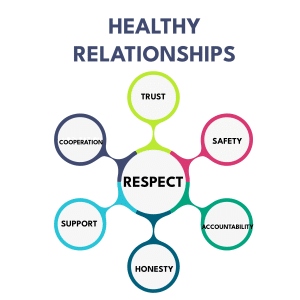
Healthy relationships for young adults | love is respect
RECOGNIZING THE SIGNS OF ABUSE
Talking to your teen about the warning signs of abuse can help them get out of an abusive relationship and prevent them from getting into an abusive relationship. Warning signs consist of checking your phone, email or social media accounts without your permission, putting you down frequently, isolating you from friends or family, extreme jealousy or insecurity, explosive outbursts, temper or mood swings, any form of physical harm, controlling behavior and pressuring or forcing you to have sex.
DIGITAL ABUSE, SEXTING & STALKING
Digital abuse, sexting and stalking is something teens need to be aware of since social media and technology are a big part of their daily lives and society. Digital abuse is any type of bullying or harassing behavior that occurs online, through social networking, text messaging and other technologies. Sexting is sending or getting sexually explicit or suggestive images, messages or videos. Stalking is a pattern of persistent and unwanted attention that makes you feel pestered, scared, anxious or harassed.
Digital Dating Abuse Among Teens: Our Research, and What We Must Do – Cyberbullying Research Center
THE IMPACT OF ABUSE
Being a victim of dating violence can have a short- or long-term impact on teens. Teens may experience feelings of fear, embarrassment and shame. They can start exhibiting disciplinary problems, social isolation and suicidality, legal issues, unhealthy habits and symptoms of depression and anxiety.
BE A TRUSTED ADULT: SUPPORTING TEEN VICTIMS OF DATING VIOLENCE
Being a trusted adult and creating a safe space for a teen victim to talk, can help them get out of an abusive relationship. As adults you can teach safe and healthy relationship skills, create protective environments, support survivors to increase safety and lessen harm.
Encourage your teen to document any form of abuse:
- in a journal, record their experience and feelings exhibited
- dates, times and description of the incident
- take photos if needed
- seek medical attention even if there are no visible injuries
- file a report with the police if they feel safe to do so
THE CHILDREN’S CENTER OUTREACH
Here at The Children’s Center our Anti Human Trafficking Coalition provides prevention training to Middle Schools and High Schools in Medina County. One area of focus in the presentation is The Tina Project. The Tina Project came out of Tina’s Law which is a part of House Bill 19. This provides teen dating violence education. With our presentations, we are helping schools prevent teen dating violence and promote healthy relationships.