May is National Foster Care Month, a time to acknowledge the profound impact that foster parents have on the lives of vulnerable children who have faced unimaginable trauma and instability.
Foster parents step up to the challenge of providing a safe and loving home for children. They offer the kind of support and guidance that can transform a child’s life, and they play a critical role in helping them heal and grow.
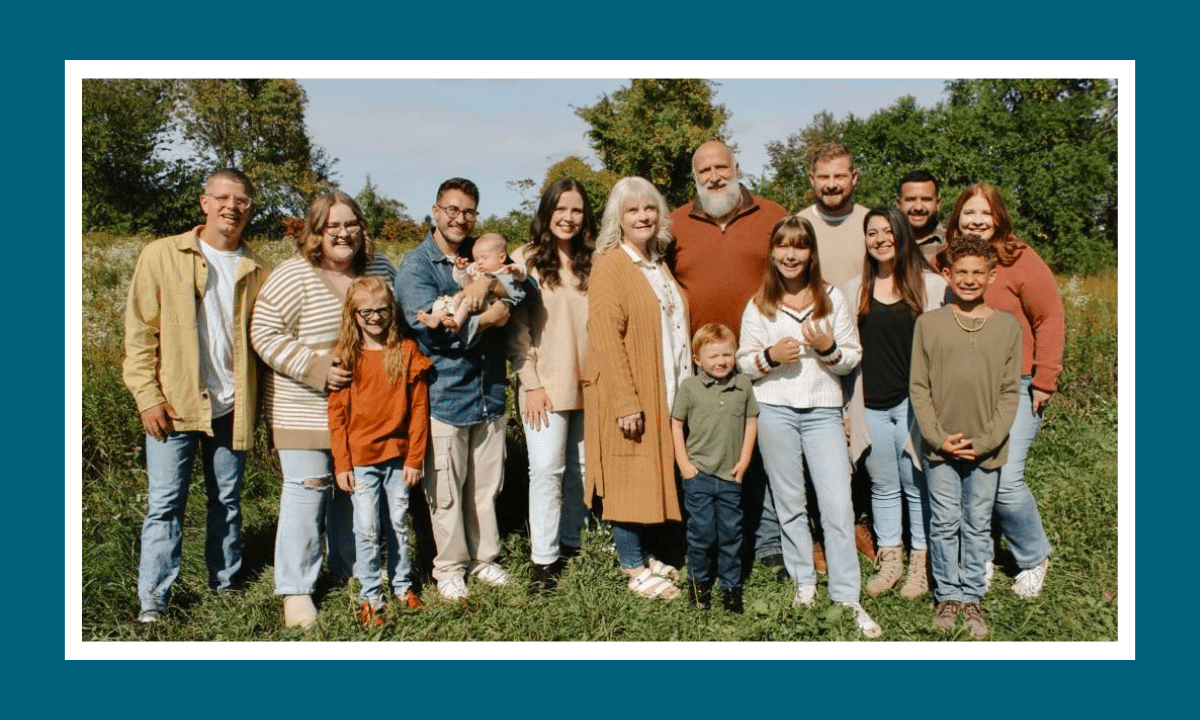
We spoke with foster parent Sabrena Howard about her family’s experience fostering children through Medina County Job and Family Services over the past 11 years. She shared about the importance of children feeling safe, secure, and loved. The interview has been edited for length and clarity. Read more about the Howard’s experience with fostering below.
Can you share your journey of becoming a foster parent and what inspired you to take this path?
I pretty much always knew that I wanted to be a foster parent. My parents fostered my cousin. I was pretty young when that occurred. My uncle also fostered. We saw little ones coming and going through their home. Fostering is something I had a desire to do from a relatively young age, it just took a little bit longer for my husband to be on board. It started with knowing that I wanted to play my part. We’ve been fostering for 11 years now.
What have been the most rewarding aspects of being a foster parent?
Seeing the growth in the kids when they’re with us from the moment they walk in the door. When they arrive they might be scared or dirty or traumatized or any of those things. You see those first smiles and see them not be afraid. When they first get to your home, they might be fearful of anything and everything you do, or sometimes even quick movements can make them recoil. They learn we don’t do that, that they are safe. Those types of things. Seeing them feel safe, secure, and loved. Seeing the joy of just being a kid going outside and playing. Not having those cares they’ve had to have before. Unlimited food, water – clean water, other things to drink, a clean bed, being able to go to the bathroom. Those types of simple things. But sometimes they just don’t have the availability in the home they came from. Seeing them grow. Because they have those basic needs met. That’s been one of the most rewarding things.
Our family has grown through fostering. We now have five more kids. Our intention wasn’t necessarily to adopt. But when that opportunity came up, we were like, how can we imagine our life without them? So our family has grown considerably.
What age of children have you fostered?
We’ve mostly fostered younger children up to the beginning of school age. Six or seven years old have been the oldest. We’ve had a couple day old babies come through. We’ve had some pretty long-term placements, and then the children we’ve adopted. We’ve not had a whole lot of kids come through our home because several of them have stayed.
We legally adopted four children. With the sibling group that we adopted, their biological aunt also joined our family. We took her in as our own and at the time she was in her 20s. She didn’t have anything to do with her biological family. Our kids were the only family that she associated with. And so she just became our kid too. So we’re mom and dad. Her wedding was a year and a half ago. My husband walked her down the aisle. We are her family. Legally we couldn’t adopt her but we did a whole thing and asked her if she’d be our daughter. We just don’t have the legal paperwork. She is our kid.
We adopted a sibling group and then two more individual children.
Can you describe a challenging moment that you faced as a foster parent and how you navigated it?
We have these kids in our home 24/7 and I tend to be pretty intuitive, doing my best to understand really what they’re going through. When they’ve gone back home or gone to other relatives, and we know it’s not going to be the greatest from things they say, or how they act about needing to go back, or things we know for sure about the situation. I think that’s probably one of the hardest parts.
How do you support the emotional well-being of children in your care?
Trying to be that safe person in their life. Not pushing them. Picking battles, if there are battles to be picked. Making sure they have choices, that they’re all healthy choices, but giving them that opportunity. Sometimes they haven’t had opportunities for growth and there are things they just don’t know. Teaching them sometimes even basic things.
What kind of support do you receive from the foster care system?
We’re a big family. My mom lives with us and we have older kids. We tend to be a little bit more of a loner, we’re not needy people at all. We don’t really participate in the support groups, or any of those types of things they offer. We have a good core group of friends from church, and many of them foster, so we have a huge support on our own.
We’ve had a lot of support from the worker that’s assigned to our family. We’ve had the same one from the very beginning. She’s very responsive if we send an email. The social worker’s availability is really helpful and they do have resources that if you need them, you just reach out. They send a newsletter that gives you updates and information. If you’re paying attention to what they’re sharing, they have resources and books you can borrow. Periodically they have events. They did the foster parent banquet last night. I won a raffle basket there.
They have support groups once a month. They will go and do activities like Axe Throwing and ceramics painting. Spending time together with other foster families.
How do you approach building trust and a sense of security with foster children who may have experienced trauma? How do you help them to feel safe?
I try to keep things calm. When they are first walking in, we don’t force them. If they want to stand at the door for a little bit, that’s fine. Obviously, there’s been times they’ve come in and they’re soiled and they need to have a bath. But we’ll wait, that’s not the first thing we’re going to do. We’ll often start by finding out if they have eaten anything. Let’s go ahead and get a snack. Would you like a drink? We’ve got milk, we’ve got juice, we’ve got whatever it may be. Addressing some of those basic things first can be really important to getting them to feel okay. The kids know they’re going to feed me, they’re going to give me clean clothes. Showing them their room where they’re going to stay. Obviously, we have other kids, younger kids, still. They’re always there when kids arrive. I think it helps with the other kids being there that it’s not just an adult. We get down to their level, not talking over them, sitting down somewhere so you can talk to them. They can look you in the eye, not feeling like you’re threatening. The moment they leave their parents can be very traumatic. What led up to it and then leaving, and not knowing – that uncertainty. Answering questions when they have questions to the best of your ability. Letting them know you understand they might be scared. Offering a nightlight or a stuffed animal. Trying to help them feel as comfortable as they can.
Can you share a memorable success story or a positive experience you’ve had as a foster parent?
We had a sibling group of three that we only had for just a couple of months. The oldest one, she was six, it was very hard when she had to go home. She got off the bus and they were there to take her. We didn’t know she was leaving until that day. She got off the bus and she was so happy coming up the driveway. Then she was like, wait a minute, why is all my stuff packed? That one was really hard. She didn’t want to leave. She was happy there with us.
Several months later, we happen to be at a different store not in our area and I recognize the two littlest ones and the parents. They had gone back to their parents. I wasn’t sure what I should do. Do I say something? Do I not say something? But the little ones for sure recognized me. And I thought, do I ignore that they recognized me? Is that going to cause them more trauma that is unnecessary? Or if I acknowledge them, I wasn’t sure how the parents would respond. I had never met their parents. They were only at our home for a few months, July to October. I walked past and I had a couple of my little ones with me. I know that the kids all recognized each other. I walked past and I was like this doesn’t feel right. I don’t want them to think I’m going to ignore them. I went back and said, “Excuse me” to the mom and dad. “I know we never officially met but I was the foster mom that took care of your two little ones and the next one up.” And the dad came over and gave me a hug. I wasn’t expecting that. His response was “thank you so much for caring for our kids when they couldn’t be with us.” “They’re doing really well. They talked about you guys so much, and how much fun they had. For a while we thought, they like them better than they do us.” “It helped us to know that they were having positive experiences that they were enjoying themselves even though they were away from their other siblings and away from their parents. They were still having fun and they were just being kids.” They were very thankful.
The kids were still little. I didn’t push anything on them. I waved at them and you could see they were just kind of looking. Then I said, do you want to do knuckles or whatever? The little boy, that’s what he did. The little girl kind of shied away. We just talked for a little bit and then I started to walk away, and I said, “bye!” She ran and gave me a hug. It helped the parents see that they were they were okay with us. It was a positive experience. That really did help because you don’t really know the follow-up, you don’t really know what happens after they leave.
I have talked with one of the adoptive moms several times. Just recently, I was going through some photos and found photos of the girl she adopted from when she was staying with us. I took pictures and sent her a text with the photo. She responded, “Oh my gosh, we’re loving these. We’ve never seen these before.” It’s been like seven years. I was going through some memories and they were so happy to see them.
What advice would you give to someone considering becoming a foster parent?
If your heart is leading you in that direction, then don’t listen to the doubts. You can talk yourself out of it pretty quickly. I mean, for a long time, even though I knew I wanted to, there was always the thought that our house isn’t all that big, and we don’t have a lot of money. We don’t have this or we don’t have that. And I just kept coming back to it thinking, “You do have a lot of love, you do have a lot of love.” That caring aspect is really important.
It can be very trying. Your whole home is disrupted. There are behaviors that you’re like, “Whoa! this is not something I’ve ever dealt with.” There are traumas that these kids are dealing with that you don’t have experience with. But if you’re feeling that this is something you want to do then just do it. There are kids out there that need caring people in their lives. And it’s those healthy relationships that are so important for these kids. They need to know that people do care and they’re willing to open their homes. It’s not always going to be easy. Having our own kids is not easy.
Some people say, “I don’t know how you can get attached and let them go.” That’s important though. They need to know that it’s okay to be attached to someone. Even though we may not see them ever again, having those memories and having that healthy attachment, even if it’s just for a few moments, is very important to their development. They need that.
How do you handle transitions when children move to new placements or reunite with their families?
That can be a little hard because you don’t always get extra time to prepare. Sometimes you do.
It’s not just prepping or preparing the kids who may be going back to family or going elsewhere, but it’s also our own family. Because we’re going to be grieving too.
Our kids are all different ages. When kids come into our home, that’s their sibling. And that’s just kind of how it is. That kid becomes their brother or sister. They become our kid, they become family. When we look at memories and pictures, some of our younger kids may not have been there with some of the kids we’ve fostered. They ask, “Who’s that?” and our older kids will say, “Oh, that’s your brother, or that’s your sister.”
So the transitions can look a little tricky. It just depends, like I said, the one where she got off the bus and didn’t know that morning when she went to school that by the evening she would no longer be with us. That’s just how it happened. We couldn’t say, “Well, there’s a potential you might be going home,” because that sets them up for worry and anxiety. We didn’t know, the social workers didn’t know if that’s how things would happen. Their parents wanted them. They didn’t want to wait to have them home. That’s understandable. When it’s their child, they want them in their home that night. Giving us an extra day or two didn’t make sense.
In the past, we’ve had little ones that we knew were going to transition into the grandparents or a relatives home. We did have a week or so. We’ve written letters. We make a little memory box that has pictures and their drawings. We do a lot of handprint art. The playroom is filled with handprint art that I do with the kids. And we’ve got most of our foster kids that we’ve had from the time I started, their little hand prints are up there. If they’re old enough, we can say you’re always going to be a part of us. If you ever, want to come and say hi as you get older, it’s okay. We’re okay with that kind of thing. But most of them have been younger.
Praying for them and their families. That’s the best thing we can do is pray for them and their families that they’re safe. That gives our kids a little bit of peace of mind to know there’s still something they can do. When they get sad, and really miss so and so. Let’s pray for them. They’re on your mind for a reason. We may never see them again, we may never know. But we can pray.
In what ways do you advocate for the needs of foster children in the foster care system as a whole?
We are their advocate. They’re in our home 24/7 so making sure that we’re giving as much information to the workers as possible for them to be able to make the best decision for them. Our voice does matter. Their voice matters. Sharing how they do when they’re home from visits, their concerns, or really being transparent in everything we see and hear from them. I think that’s really important for them. We have to be their advocate because sometimes their voice is hidden or they’re not able to verbalize. Picking up on those little cues that they may show or behaviors that show a lot when they’re little. Making sure that I’m in tune with them and aware and letting everyone know what I’m seeing. Then they have the information to make decisions.
Is there anything I didn’t ask you about that you want to share?
Needing foster parents is not a happy thing. But unfortunately, there are children who need parents – who need stability. They need people who will show them love and care and happiness and what appropriate rules and even boundaries are. What’s right and what’s wrong. The importance of being in school or learning or being read to. All of that is so important. Sometimes their biological parents can’t do that. And whether it’s for a moment, or maybe they never had that themselves and they need to be taught and need to have support themselves. All of us, I think, have a role that we can play. Not everybody can bring a child into their home. I get that. But those of us who can, should.